Discover what’s new before everyone else:
Get our free on-the-go African hotspot map!
Southern Africa • Insider guides • Cape Town: a city guide to staying, eating and living well
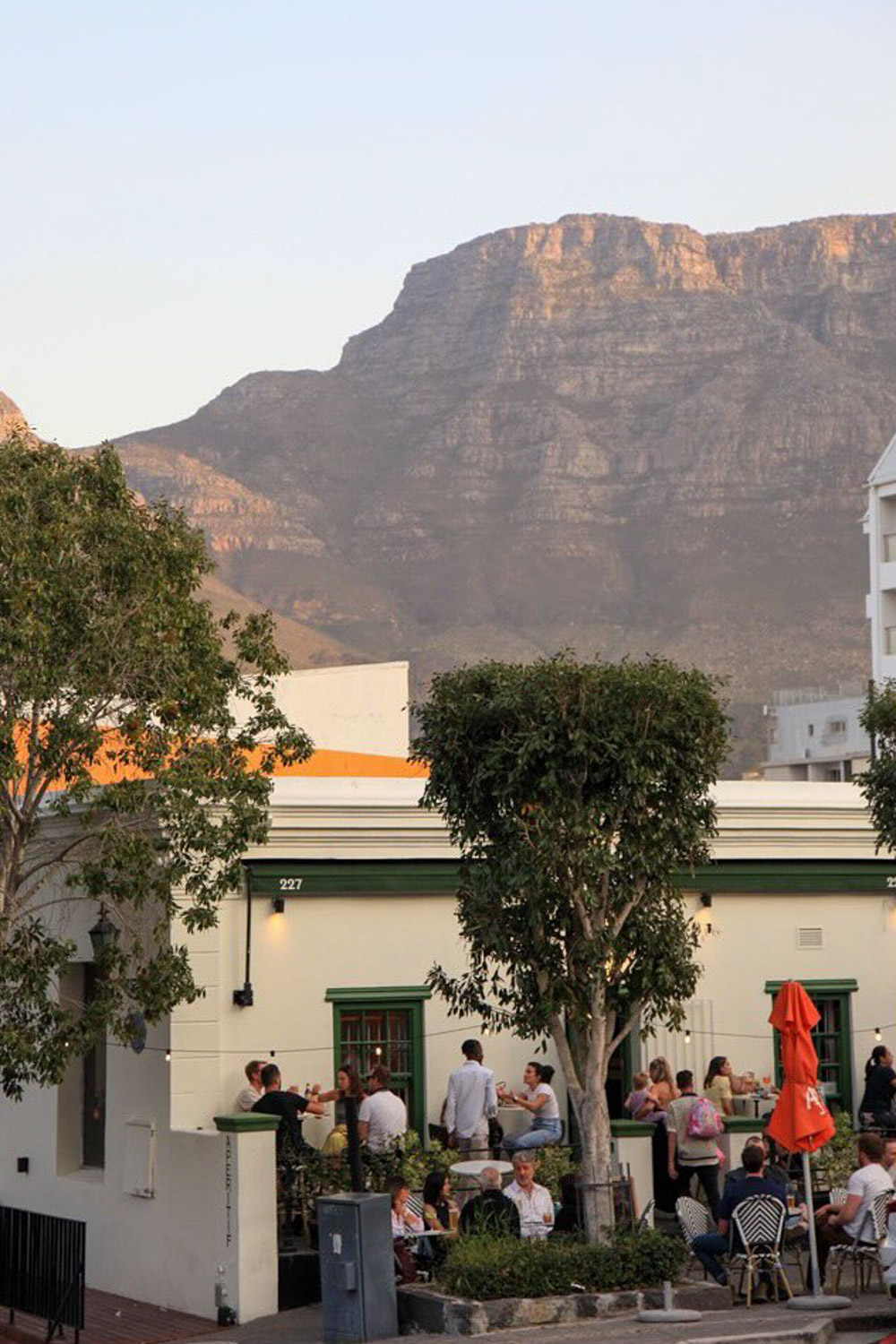
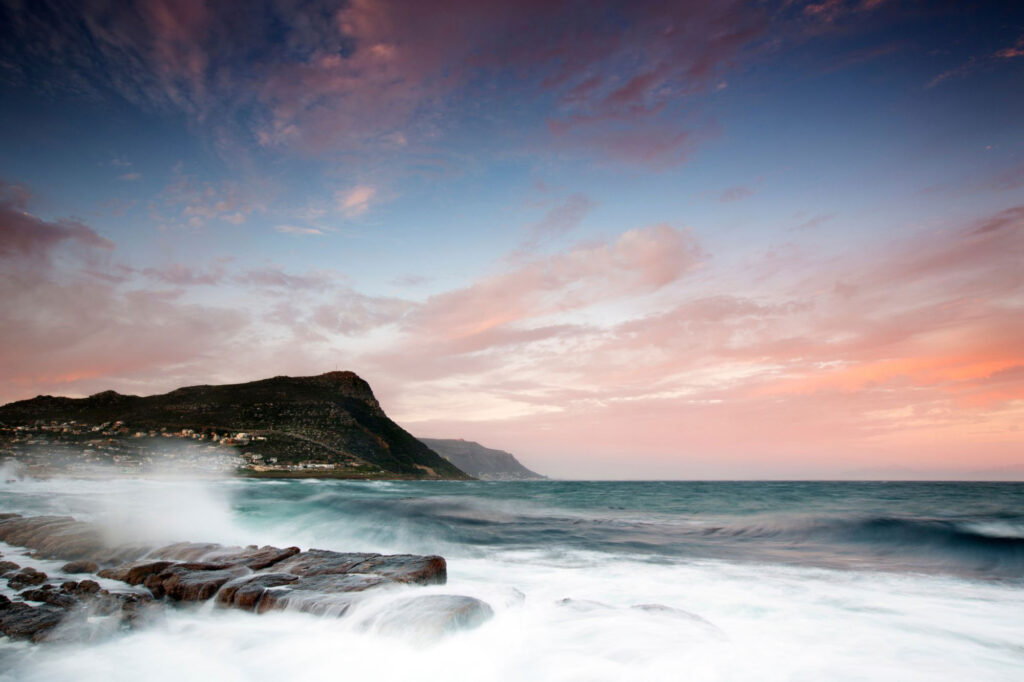
Cape Town is spectacular by default, which means it’s also easy to do badly. The mountain, the ocean, the light – they will flatter almost any plan. The city itself is less forgiving. It runs on wind shifts, traffic windows, micro-neighbourhoods and the kind of invisible boundaries that do not show up on a map yet still decide how your day feels. One rule will save you time here: plan in clusters – one area per half-day. Choose a base that makes sense, eat close to where you are and see the city without turning it into a theme ride.
Cape Town wasn’t built for ease. It began in 1652 as a Dutch East India Company supply stop, designed to service ships and trade, not to make urban life seamless. That logic lingers. The city still orients towards the ocean and the mountain, while older planning lines, motorways and social boundaries can make short distances feel longer than they look.
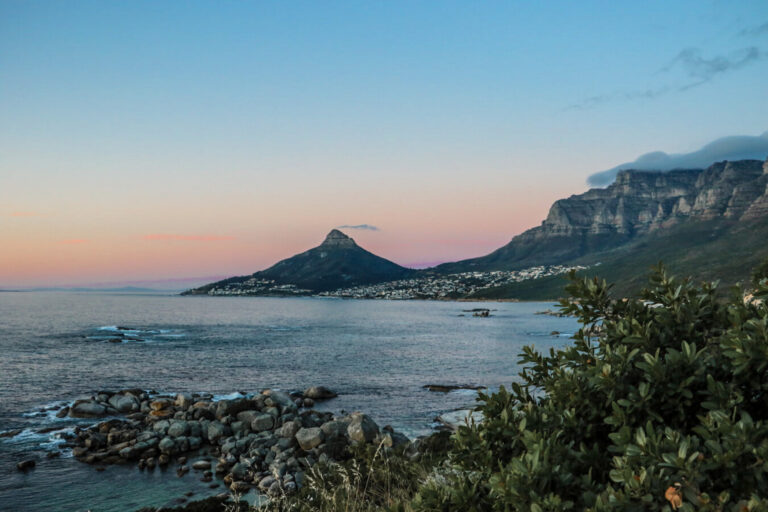
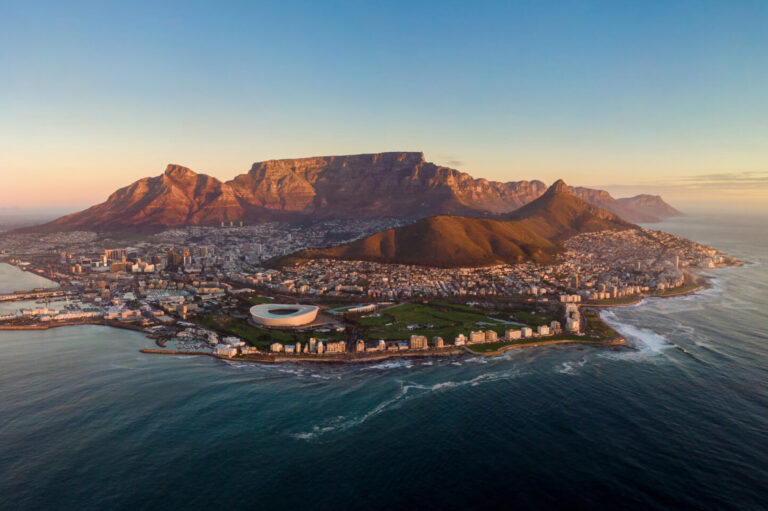
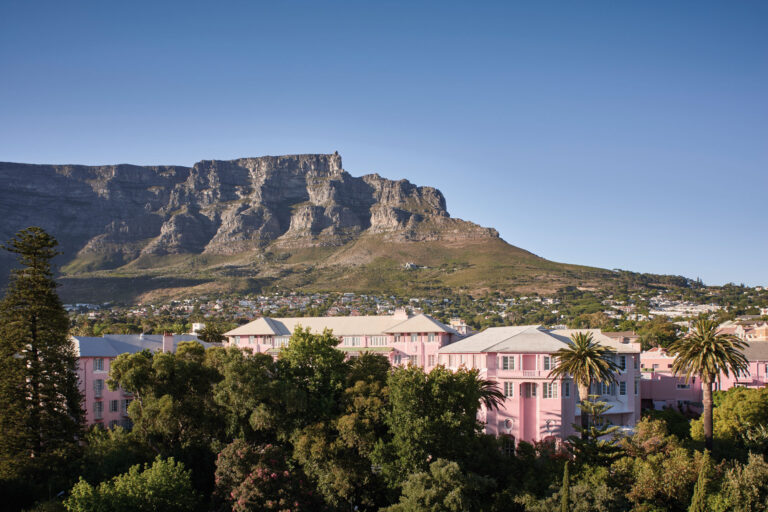
Cape Town sits in a natural amphitheatre carved by the mountain and the sea. Table Mountain’s highest point is 1,086 metres (3,563 ft) above sea level.
The mountain shapes light, creates microclimates and turns “quick plans” into weather-dependent decisions. The wind doesn’t add atmosphere, it cancels itineraries. Traffic teaches you humility.
To get around, you move between distinct zones: the City Bowl’s compact basin, the Atlantic Seaboard’s ocean-facing strip and the wider sprawl of suburbs. Cape Town reads like a city on a map, but it behaves like a set of separate worlds connected by timing.
To understand Cape Town, stand in District Six. It’s minutes from downtown yet reads as absence. On 11 February 1966 it was declared a white area under apartheid’s Group Areas Act and more than 60,000 people were forcibly removed. By 1982 the community’s life there was over. The open ground is a scar that shaped where people live, how they move and who feels watched where.
Cape Town plans around disruption. In 2018, Level 6B restrictions limited daily water use to 50 litres per person per day. Load shedding is also baked into life. Eskom describes it as a controlled process used to protect the electricity power system from a total blackout. Locals build routines around it. Visitors either adapt or spend an evening complaining into the dark.
What holds the city together is rhythm: early mornings, compressed travel windows, long lunches that double as planning sessions and evenings shaped by light and temperature. Cape Town can be slow and sharp at once. Learn its pattern and it becomes magnetic.
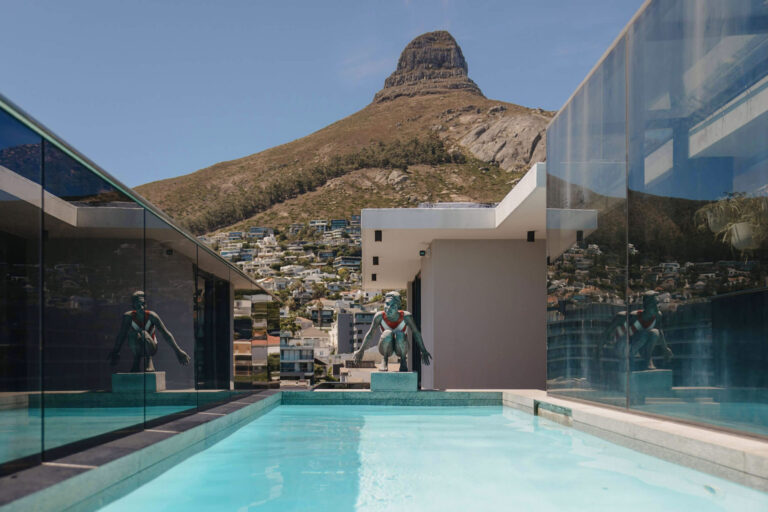
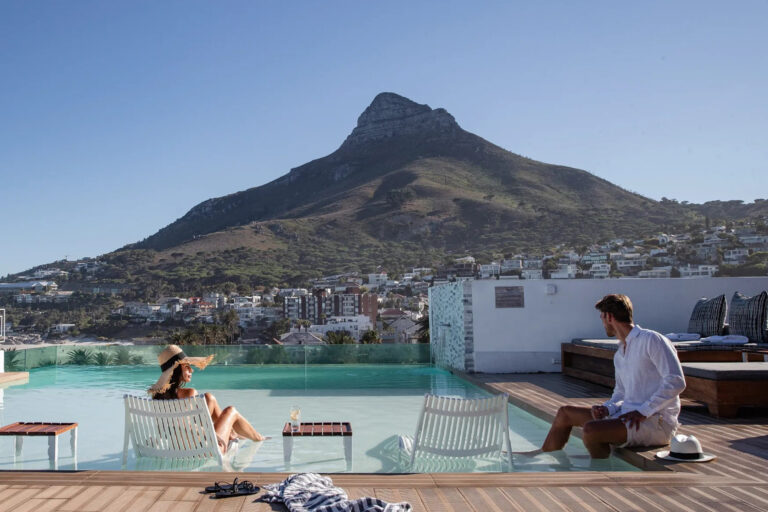
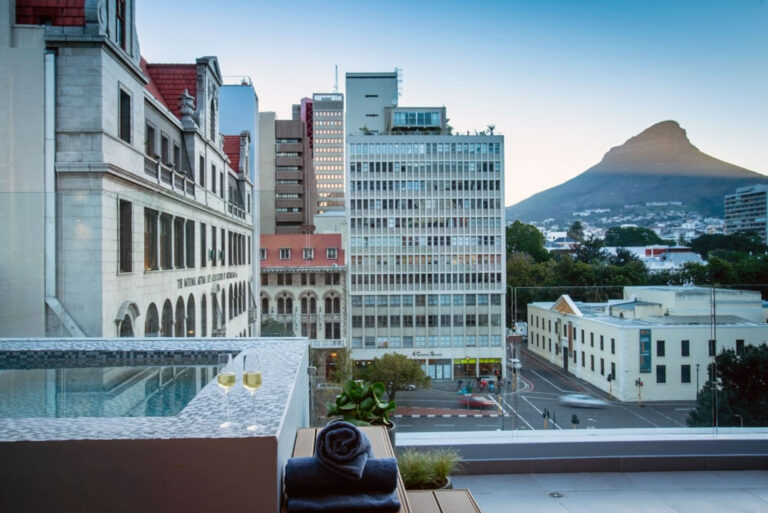
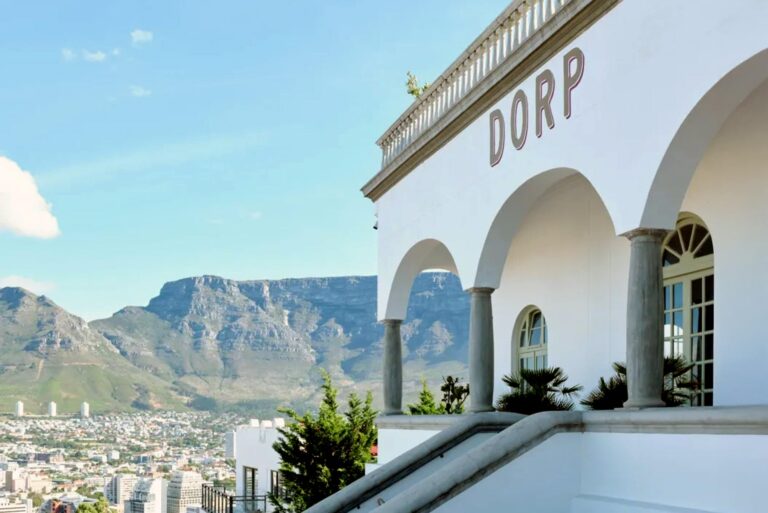
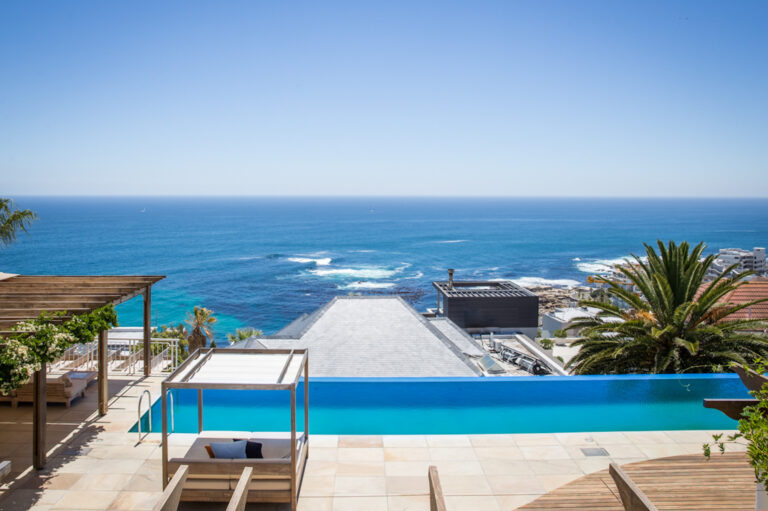
Photography courtesy of Unframed and Aperitif
Cape Town is best read as a chain of distinct neighbourhoods, not one centre with “nice areas” around it. Your base changes the entire trip: walkability, wind exposure, how often you drive, what you can do on a spontaneous Tuesday night. Here’s our order for readers who care about design, food, atmosphere and days that don’t turn into logistics. We split every area out, including the CBD.
Gardens is Cape Town’s easiest yes. You’re close to the CBD, close to Kloof Street and close to the mountain, which means your day can swing from gallery to hike to dinner without turning into a driving project. It feels lived-in, greener than most central areas and calmer than it has any right to be given the location. If the wind kills the beach plan, Gardens doesn’t care – it was never relying on it. Nights stay simple: short rides home, no “is this far?” maths.
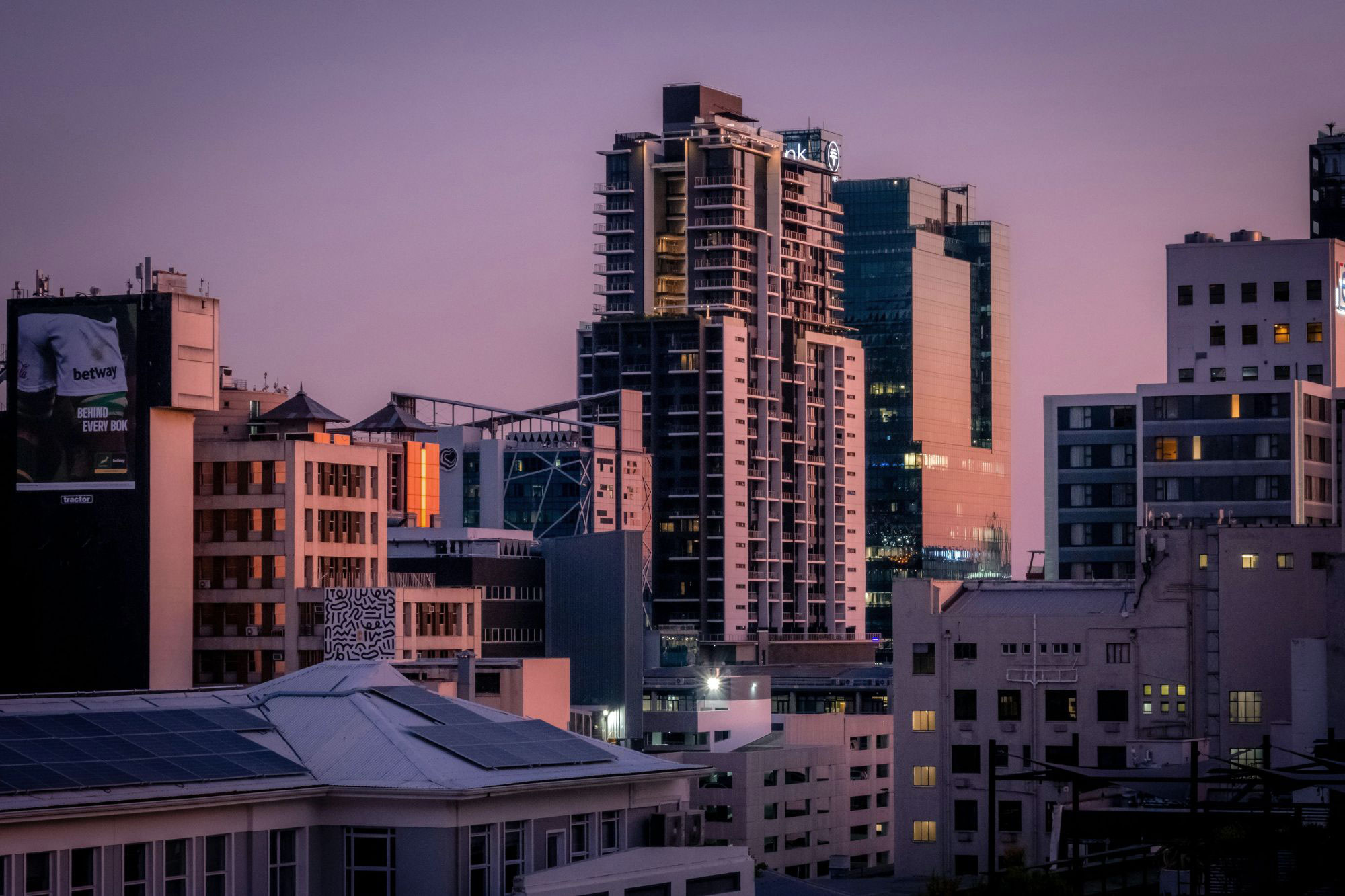
The CBD – short for Central Business District – is Cape Town in work shoes. It can feel sharp and functional by day, then oddly hollow after hours depending on the block. For most readers it works best as a daytime engine: galleries, cafés, museums, a strong lunch, then an easy move to Gardens, Green Point or De Waterkant for the night shift. If you stay here, choose well and move with intention rather than drifting street to street after dark.
De Waterkant is compact, polished and slightly smug about it. The upside is that it works: you’re wedged between the CBD, the Waterfront fringe and Green Point, so days stay frictionless. It suits short stays and first visits when you want Cape Town to behave, with good dining nearby and quick access to meetings and galleries. The downside is texture – some parts feel designed for people passing through. Use it as your base, then go elsewhere for grit and surprise.
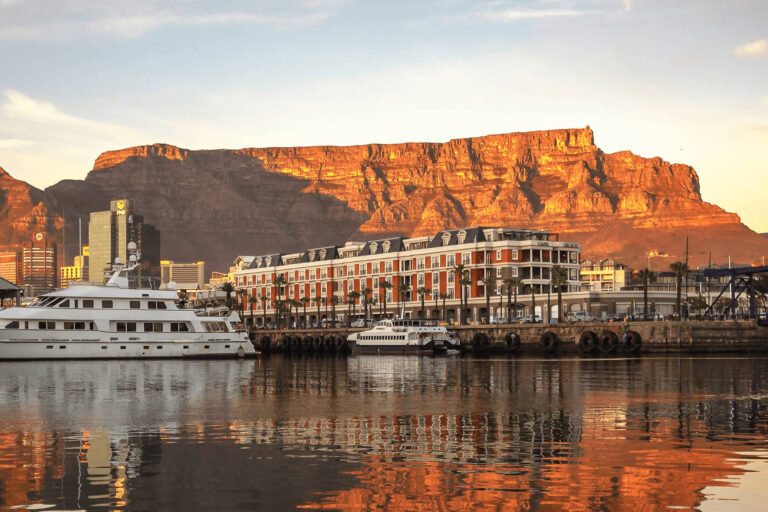
The V&A Waterfront is Cape Town’s controlled environment: safe, busy, efficient and built to keep you spending without friction. It’s also genuinely useful. You’ve got hotels, the harbour, big-ticket museums, easy Uber pick-ups and clean links into the city. The downside is that it can feel like Cape Town put on make-up and started speaking in brand partnerships. Treat it as a base for logistics, or as a daytime stop for specific sights, then leave before it becomes your whole trip.
Read the article on V&A Waterfront’s best spots.
Green Point is the rare Cape Town area that supports a real daily rhythm: coffee, promenade walks, easy dinners and quick moves into the CBD or De Waterkant. It’s urban but not intense, with a mix of apartment living and older houses that keeps it from feeling like a resort strip. The ocean is right there, but you’re not trapped in beach mode. It’s strong because it’s practical and social without being loud by default. Choose your exact street well and you’ll get calm plus access.
This is the thin coastal strip between the Waterfront and Green Point where Cape Town feels effortless in the right way. Mouille Point is promenade-led, walkable and calmer than Sea Point, with proper morning energy. Granger Bay sits closer to the Waterfront side, with a more tucked-away feel and easy access to parks and shoreline routes. It’s ideal if you want water proximity without the Waterfront’s packaged feel or Camps Bay’s theatre.
Sea Point is dense, energetic and useful. The promenade is the headline, but the real value is that you can live on foot: bakeries, gyms, simple restaurants and places locals use midweek. It’s less curated than Camps Bay and it keeps you close to the city without the CBD’s after-hours drop. It’s also wind-exposed, so bring a jacket and don’t romanticise “one more sunset walk” when the south-easter is in a mood.
Read the article on Sea Point’s best spots.
Oranjezicht buys you calm without pushing you out of the action. It’s residential, green and close to both Gardens and the CBD, so you can dip in for dinners and culture, then retreat to quieter streets. It suits travellers who value mornings and walking, with the mountain as a constant presence rather than a day trip. It’s not an “entertain me” area. That’s why it works.
Tamboerskloof is Cape Town for people who want to live like locals with taste, not like tourists chasing views. It sits between the CBD and the mountain with older houses, leafy streets and quick access to Kloof Street’s dining circuit. It’s not flashy, which is exactly why it’s good. If you want Cape Town to feel like a functioning city, start here.
Woodstock is where Cape Town shows its working side: studios, galleries, small fashion and design operators and a sense that the city is being made, not just marketed. It rewards purposeful days and readers who can read a street quickly. Some pockets are exciting, others are purely functional, so it’s not a neighbourhood for wandering on autopilot. As a base, it suits repeat visitors who want edge and don’t need prettiness as a constant.
Salt River sits next to Woodstock and often gets lumped in, but it’s its own thing: more industrial, more local, less visitor-facing. That can be the appeal if you want a Cape Town that isn’t trying to charm you. It works best as a targeted visit for specific studios, makers or meals, not as an all-day wander. As a base, it’s niche.
Bantry Bay is the Atlantic Seaboard’s quieter flex. It’s close to Sea Point and Clifton, but it’s more residential and usually calmer at night. You’re paying for ease: ocean proximity, quick drives into the City Bowl and a base that feels private without being remote. If you want the Seaboard without the catwalk energy, this is a strong choice.
Clifton is beach mythology with stairs attached. The coves are gorgeous, the houses are serious and the vibe is unapologetically leisure. It’s great if you want to spend time doing very little in a very specific place, then surface for dinner elsewhere. It’s less good if you want the city to feel accessible, because you’ll drive for most things and you’ll plan around traffic when it’s busy.
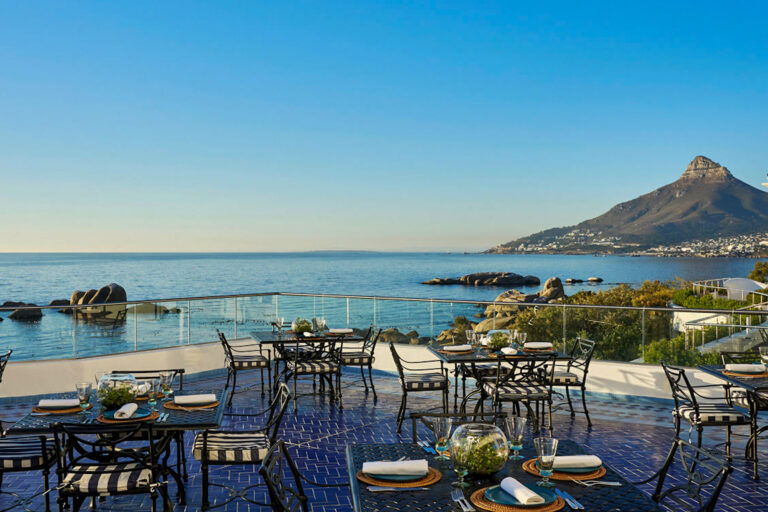
Camps Bay is Cape Town’s main stage: palm-lined strip, big views, lots of people watching people. It’s fun if you want that energy and you’re fine with a bit of theatre with your dinner. As a base, it suits travellers who prioritise sunsets, pools and being near the beach even when the wind says no. It’s less convincing for culture-led days, because you’ll commute to the City Bowl and back.
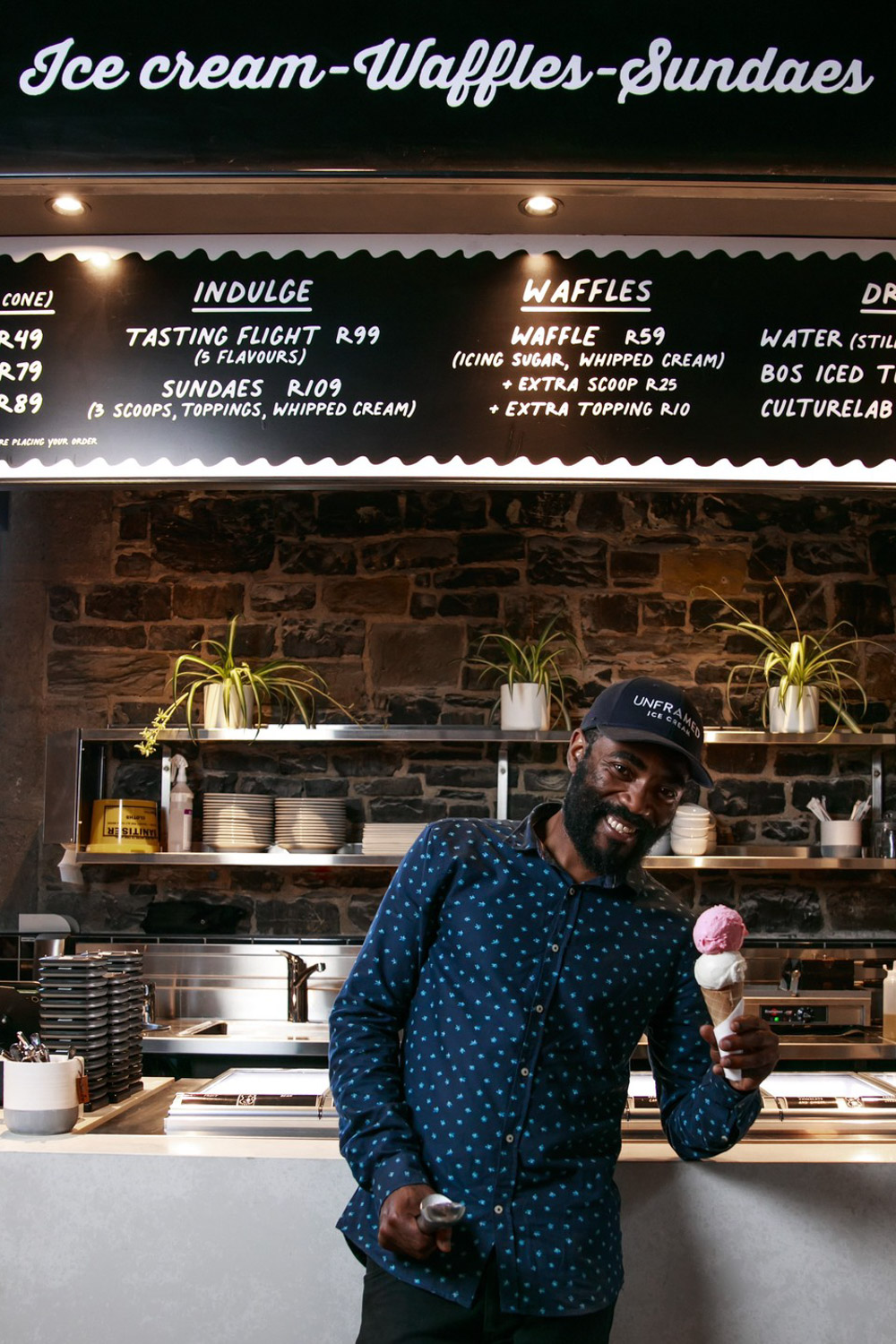
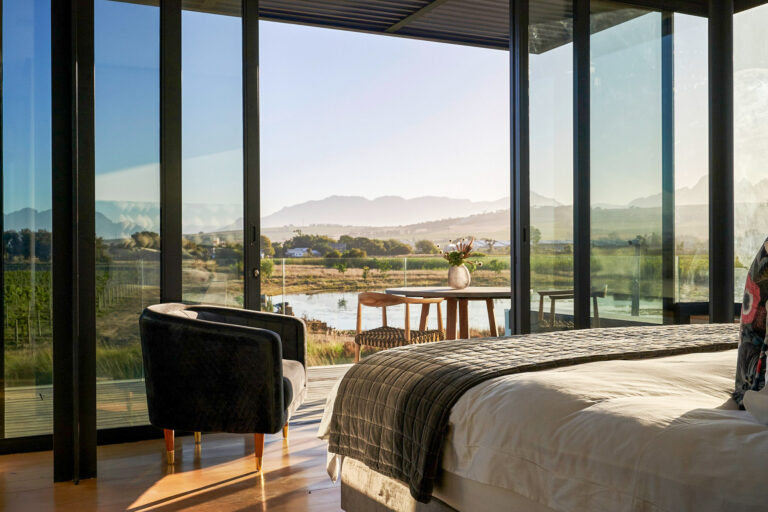
Cape Town can look effortless from a balcony. Then you try to live your day and realise you’ve booked yourself into a commute. The city is made of pockets stitched together by driving, wind shifts and traffic windows, so accommodation isn’t a backdrop, it’s the operating system. Get it right and you’ll walk to coffee, drift to dinner and get home without a plan. Get it wrong and every nice idea needs a car, a charging cable and a small negotiation with your own patience.
For our readers, “central” is less about postcode and more about how quickly you can reach your next good decision. The City Bowl gives you culture, restaurants and the most reliable sense of being in a real city. The Atlantic Seaboard gives you ocean air and a holiday mood, with the trade-off that you can end up living in a beautiful bubble.
Gardens is the cleanest all-round base: walkable pockets, quick access to the CBD and a strong restaurant radius without the after-hours emptiness some central blocks get.
Green Point gives you an easy daily rhythm near the water. Mouille Point and Granger Bay are for shoreline calm and morning energy without the Waterfront’s packaged feel. Sea Point works if you like movement and convenience. De Waterkant is frictionless for short stays.
The V&A Waterfront suits predictable logistics when that’s the priority. Tamboerskloof and Oranjezicht work well if you want quieter streets close to the action. Bantry Bay, Clifton and Camps Bay are view-led and holiday-forward.
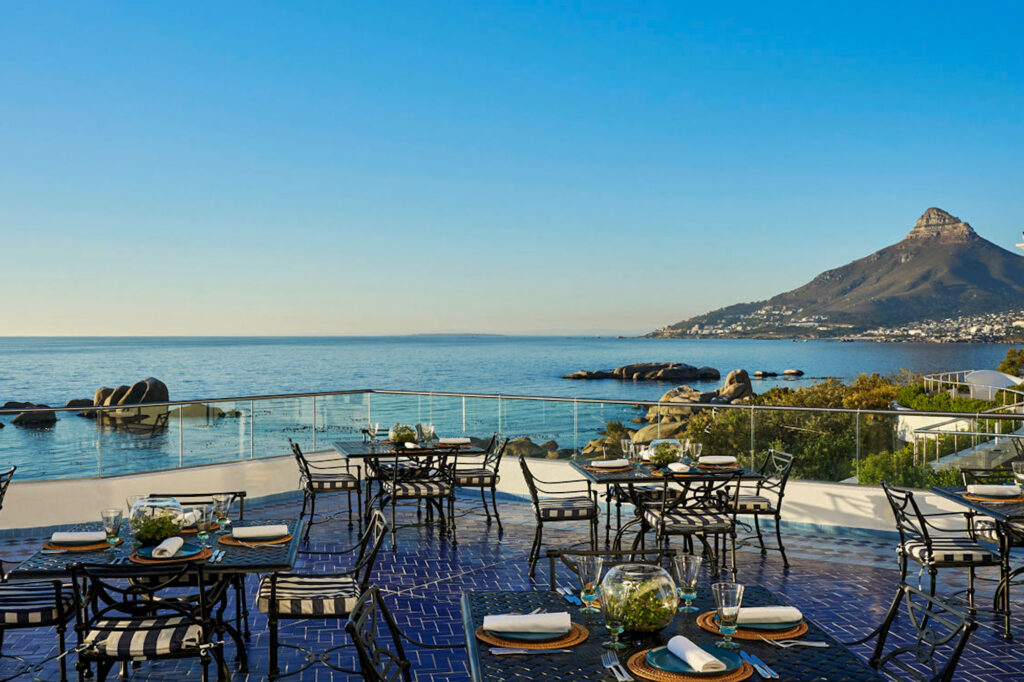
Ask about backup power and Wi-Fi reliability, especially if you plan to work. Check wind exposure if you’re choosing an ocean-facing stay and you actually want to use the balcony. Look at parking and access if you’re driving. Most importantly, be honest about your evenings: if you want to eat out often, pick a base that makes returning feel easy, not heroic.

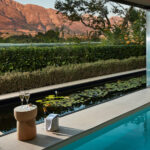
Read our guide to where to stay in Cape Town, and our top hotel picks in Cape Town.
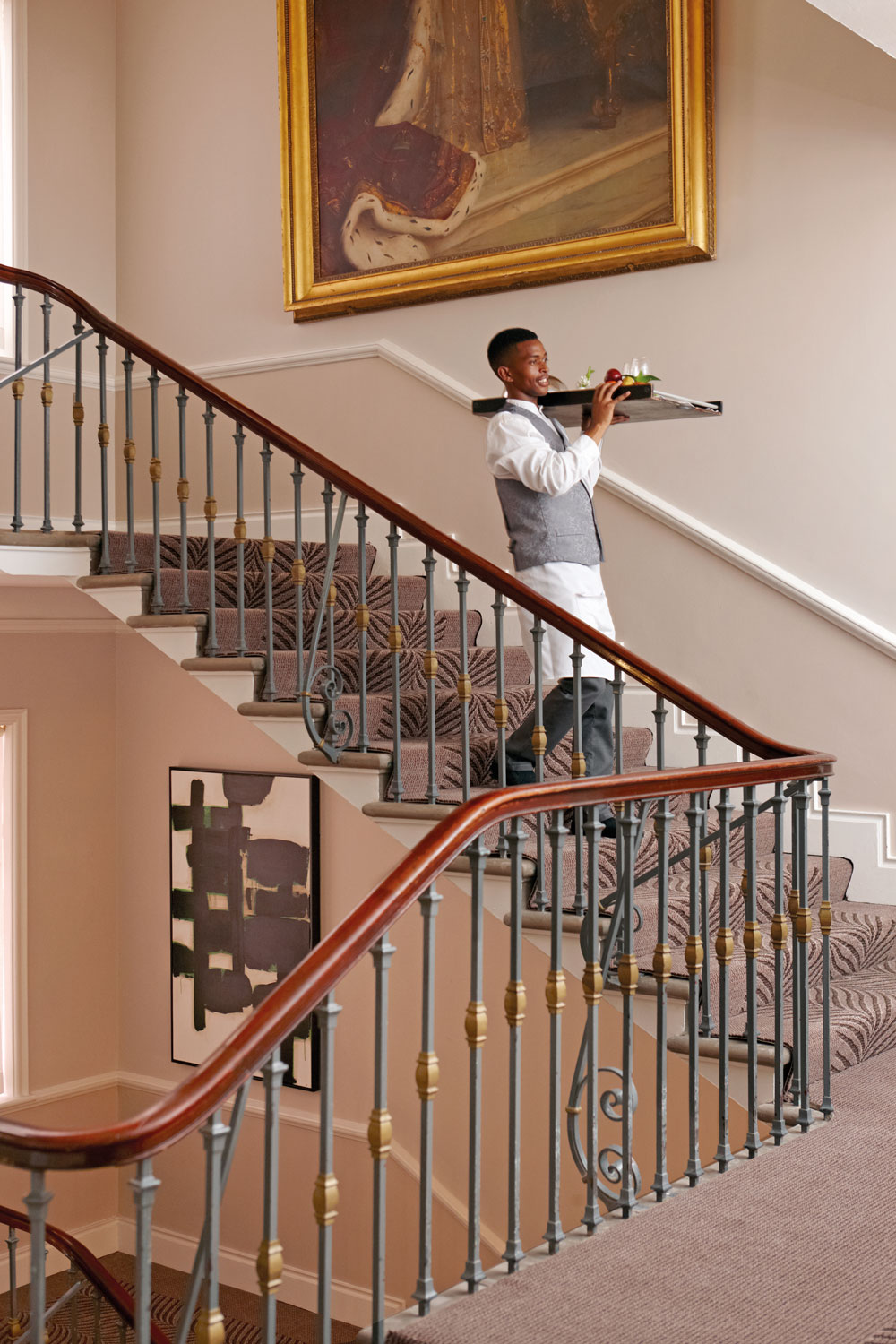
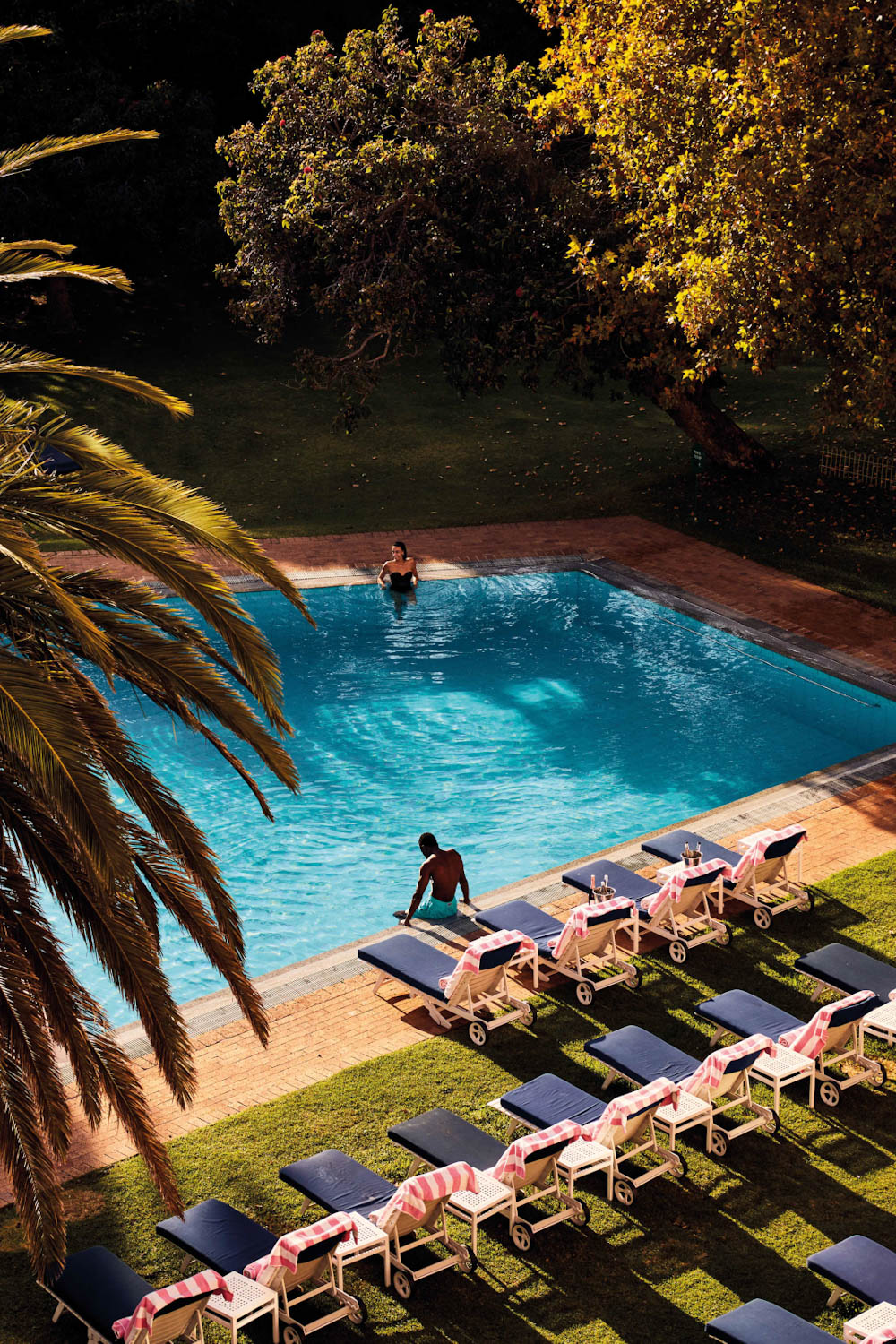
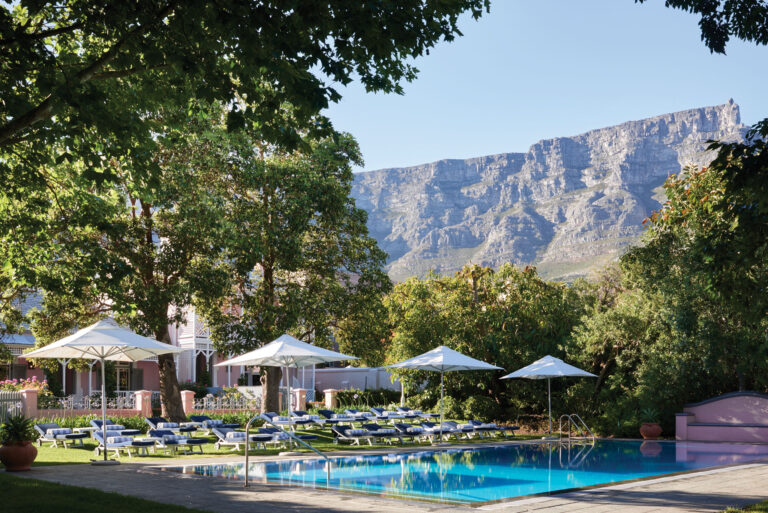
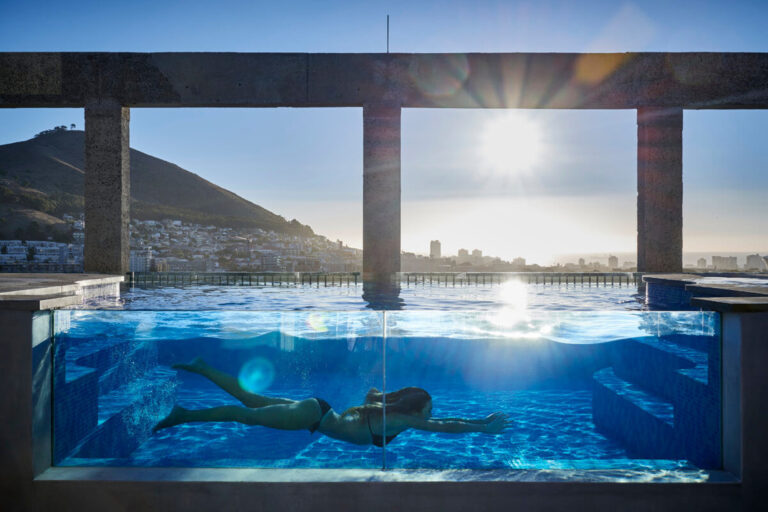
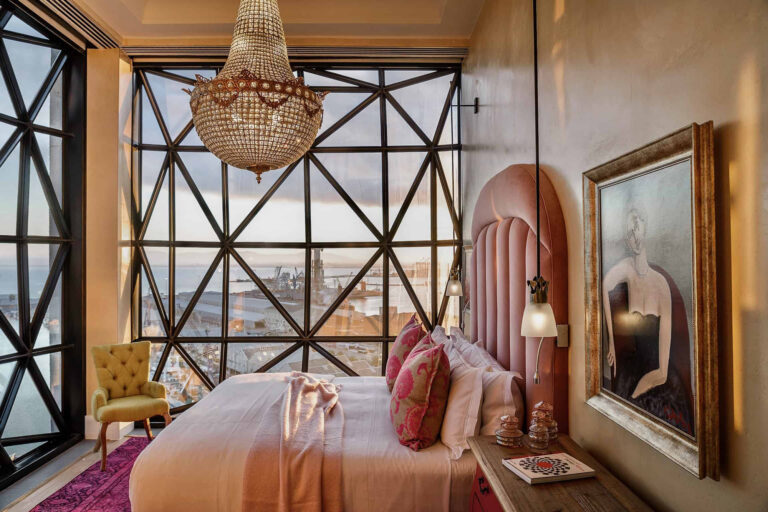
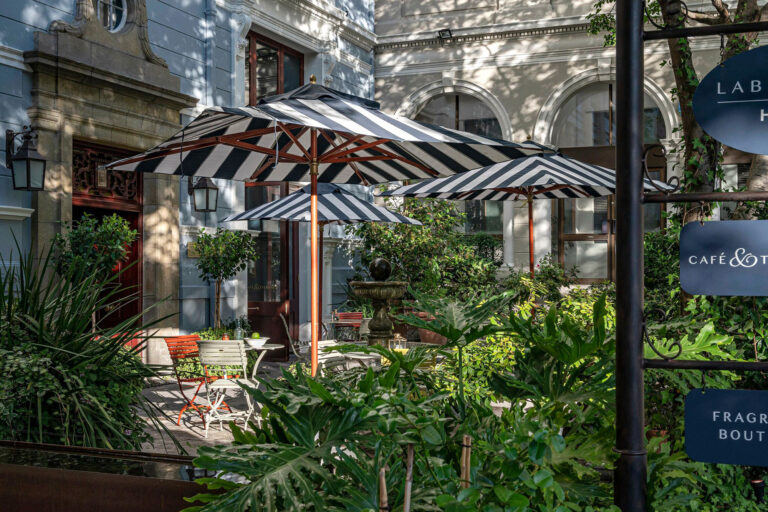
Photography courtesy of Mount Nelson Hotel
Cape Town’s dining scene is serious, but the city layout decides how much of it you’ll actually enjoy. One over-ambitious booking can turn into a long drive, parking roulette and a late return that drains the fun. The move is to eat in clusters: choose an area for the evening, then stay there.
Places open and close, chefs move and service can swing. Trends also move slower here than in many global capitals, which is good news if you like substance over hype. This guide leans into what holds: the neighbourhoods that consistently deliver, the hours the city tends to keep and the practical choices that make Cape Town feel easy.
Cape Town runs earlier than many European capitals. Breakfast and coffee culture starts strong, lunch can be a proper event and dinners often work best when you commit to a time rather than hoping to “see what’s open”. Sundays can be softer and some places close or simplify. If you care about a specific table, book ahead, especially on weekends and during peak season.
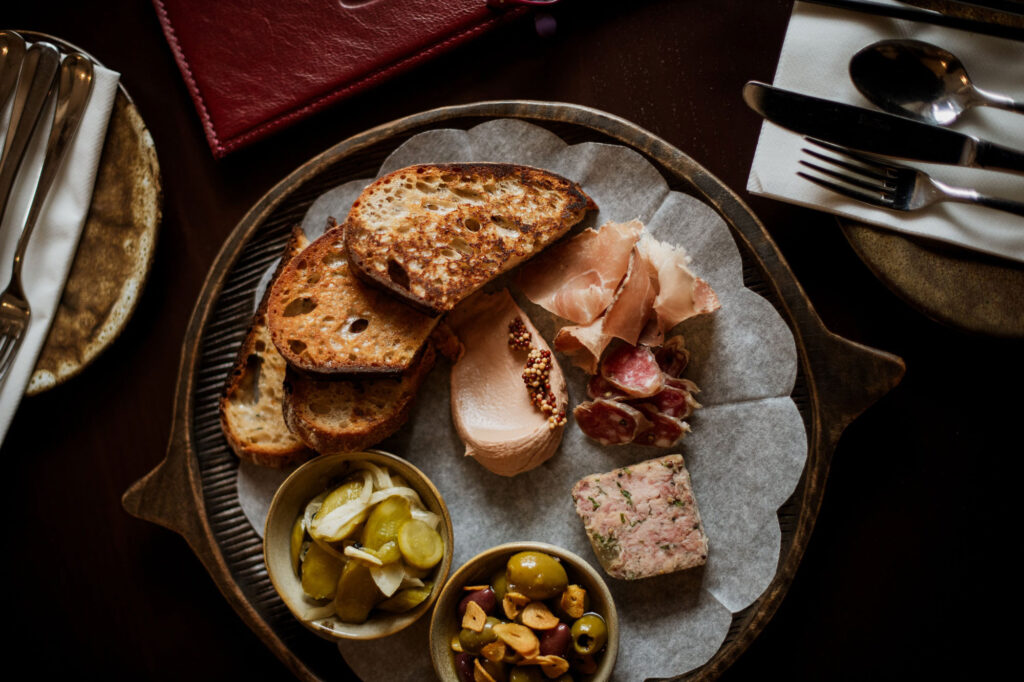
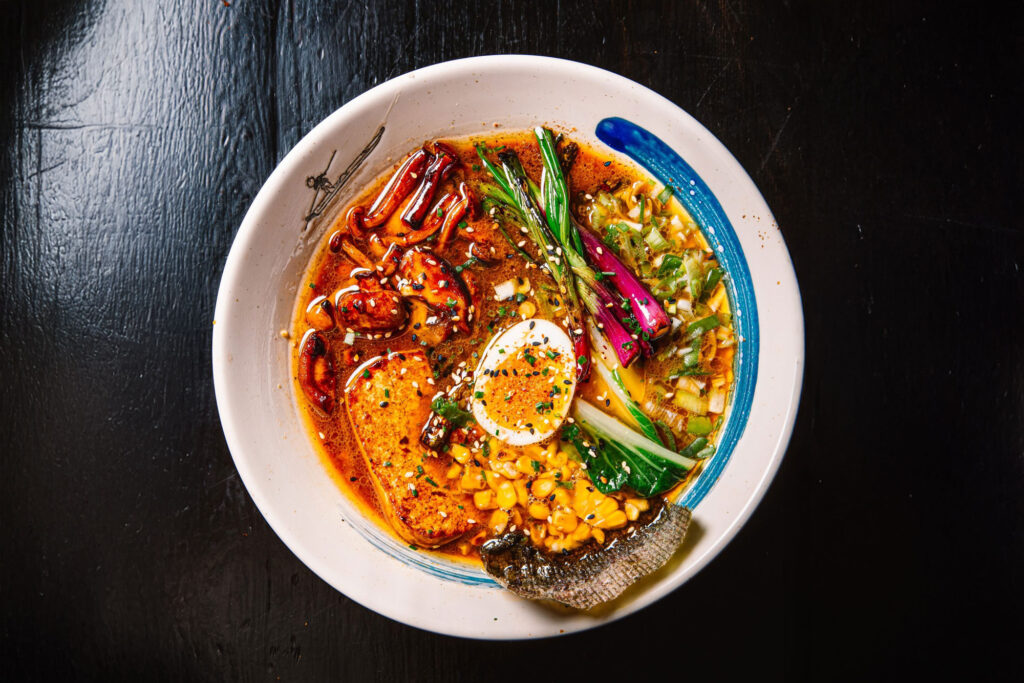
Cape Town is at its best in casual places with standards: confident rooms, busy tables, low theatre. Expect excellent bakeries, all-day cafés, contemporary cooking in the City Bowl and seafood when you choose carefully.
Wine sits naturally on the table here, less as a performance and more as part of normal dining life. You’ll also notice how braai – South Africa’s barbecue culture – and Cape Malay flavours sit in the background of the city’s food identity, even when menus present as modern.
City Bowl is the highest density of genuinely good options, from quick lunches to serious dinners, with the bonus that you can usually get home without a cross-city mission.
Green Point and Sea Point are strong for breakfast, post-walk coffees and easy dinners. The V&A Waterfront is useful, but selective – treat it as convenience, not as a full picture.
Woodstock can be excellent for daytime eating and creative energy, but plan it deliberately rather than wandering hungry. Camps Bay is about the setting, which can be fun, just don’t confuse the view with the best cooking.
Wind and power shape the day. If the south-easter is raging, lean into City Bowl meals and sheltered streets instead of forcing the beach plan. If you need your laptop charged and your life stable, pick stays and cafés that handle load shedding without drama. Locals already optimise for this. Visitors often learn it late.
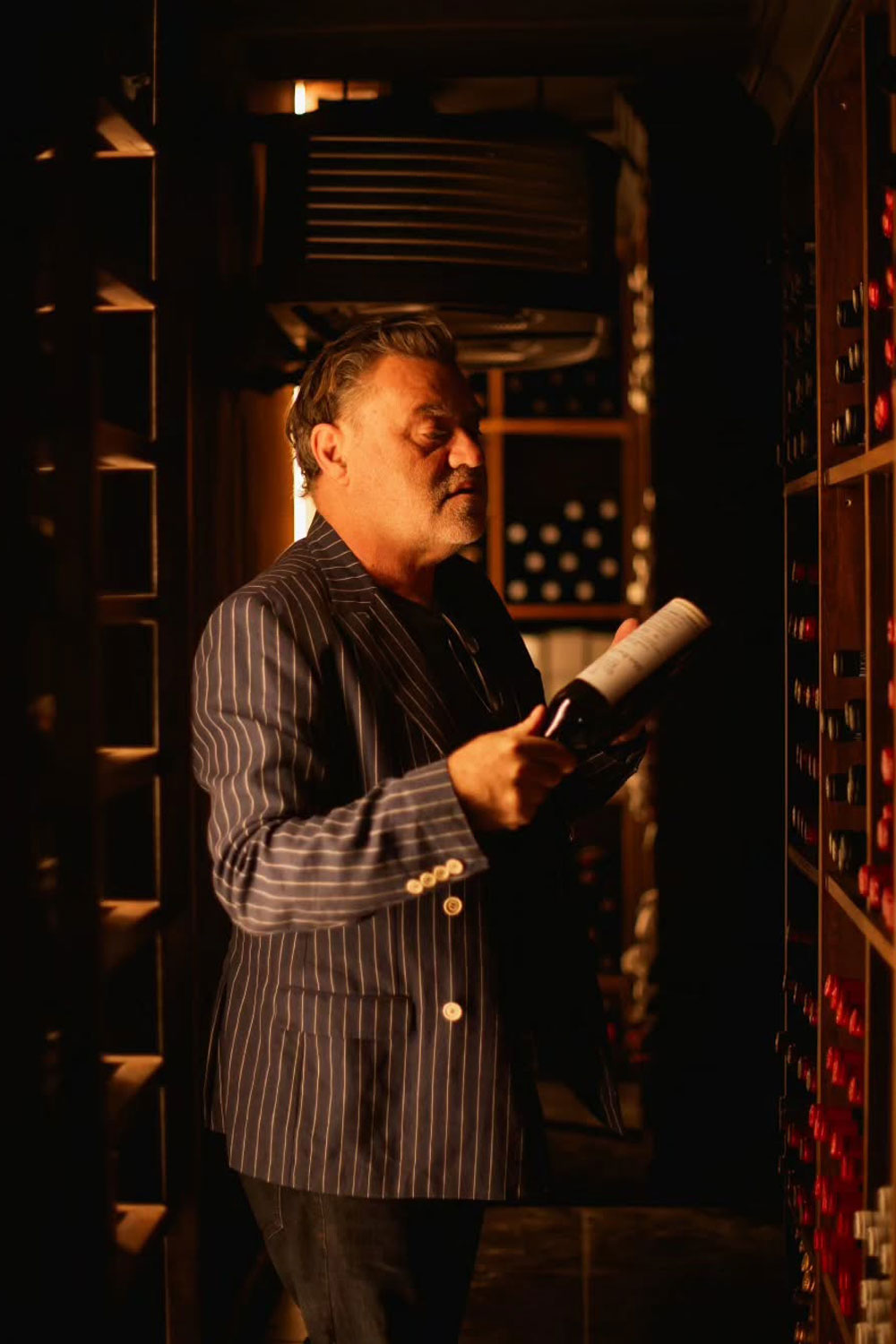
Photography courtesy of Chef’s Warehouse & Canteen and Maru
If you’re expecting a single district that solves retail in an afternoon, Cape Town will disappoint you quickly. Shopping here is a layer, not a headline. The good news is that the layer is thickening, and in an African context it’s one of the continent’s most developed scenes for design, art and independent makers.
Local is strongest when it’s specific. Think small-batch ceramics, studio furniture, textiles, jewellery, books, prints and contemporary art, plus food shopping that leans into the Cape’s everyday ingredients and wine culture. The best buys tend to be quiet and well-made, not loudly branded. If a product needs Table Mountain printed on it to justify itself, skip it.
Go in with categories, not vague browsing energy. Cape Town rewards targeted stops: one gallery day, one design stop, one food-led shop, then you’re done. Stock can be limited, so if something genuinely fits, don’t assume it’ll still be there tomorrow.
Plan shopping earlier in the day. Many independents keep sensible hours, Sundays can be patchy and late shopping is not the point. Also think about logistics before you fall in love: packing, shipping, fragility and whether you can replace it if it breaks. Cape Town is a good place to buy one excellent thing, not ten forgettable ones.
Read the article on Cape Town’s most unique retail spots.
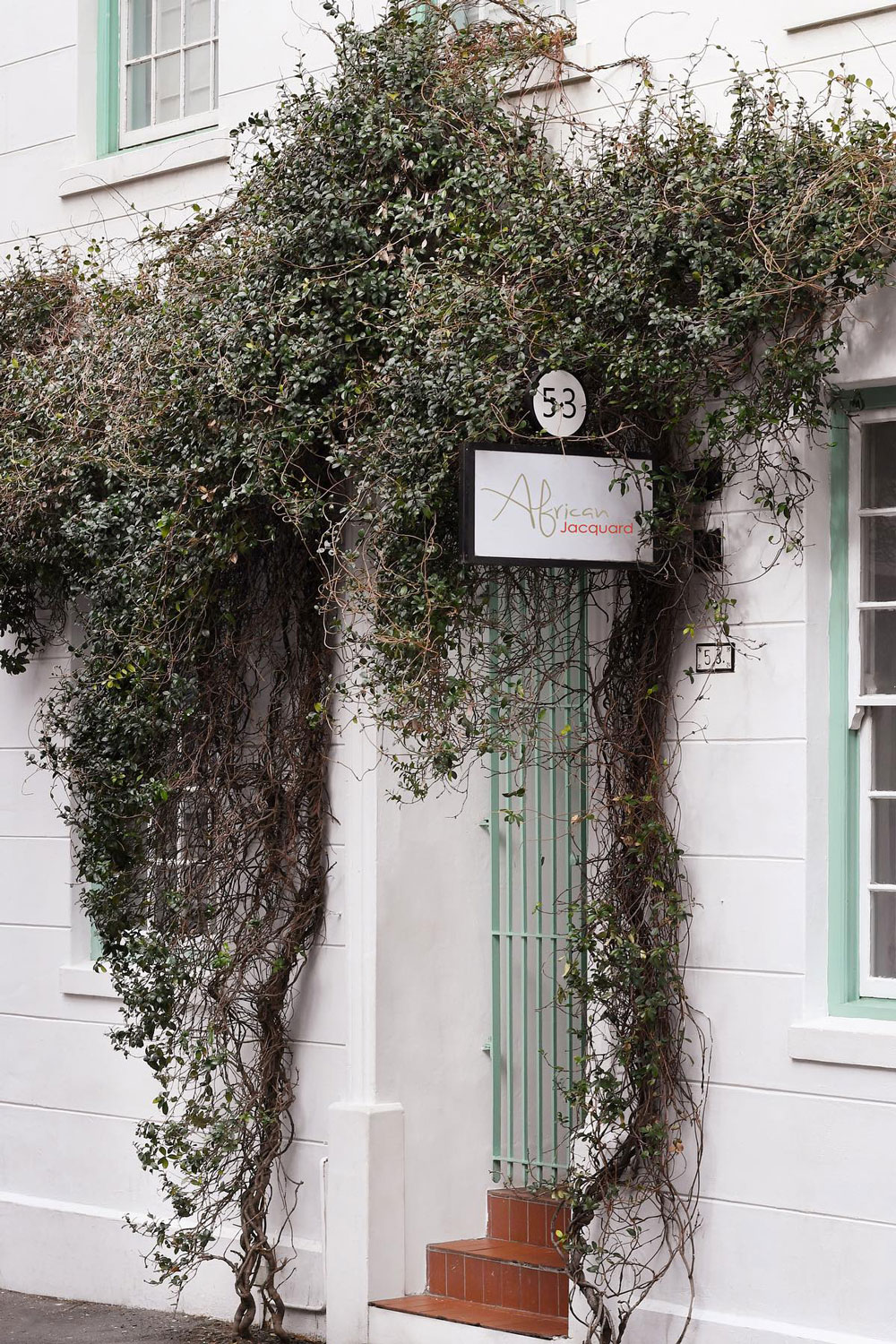
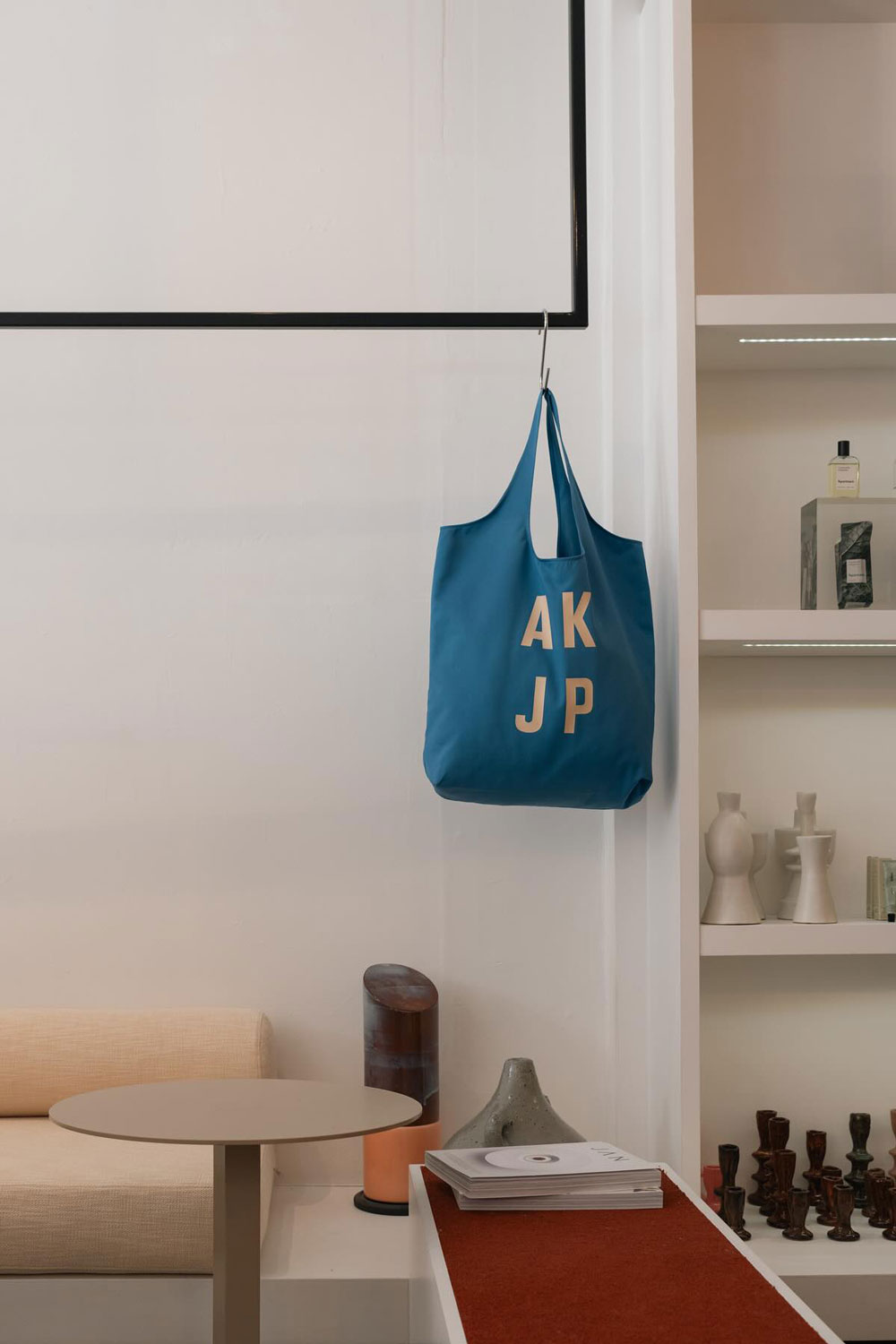
Photography courtesy of African Jacquard and AKJP
Cape Town is not just a backdrop. Yes, the mountain and ocean are real. No, they’re not the whole trip. The city is also one of Africa’s strongest places for contemporary art, design-led culture and museums that actually explain something. Treat scenery as the frame, then use culture to give it weight.
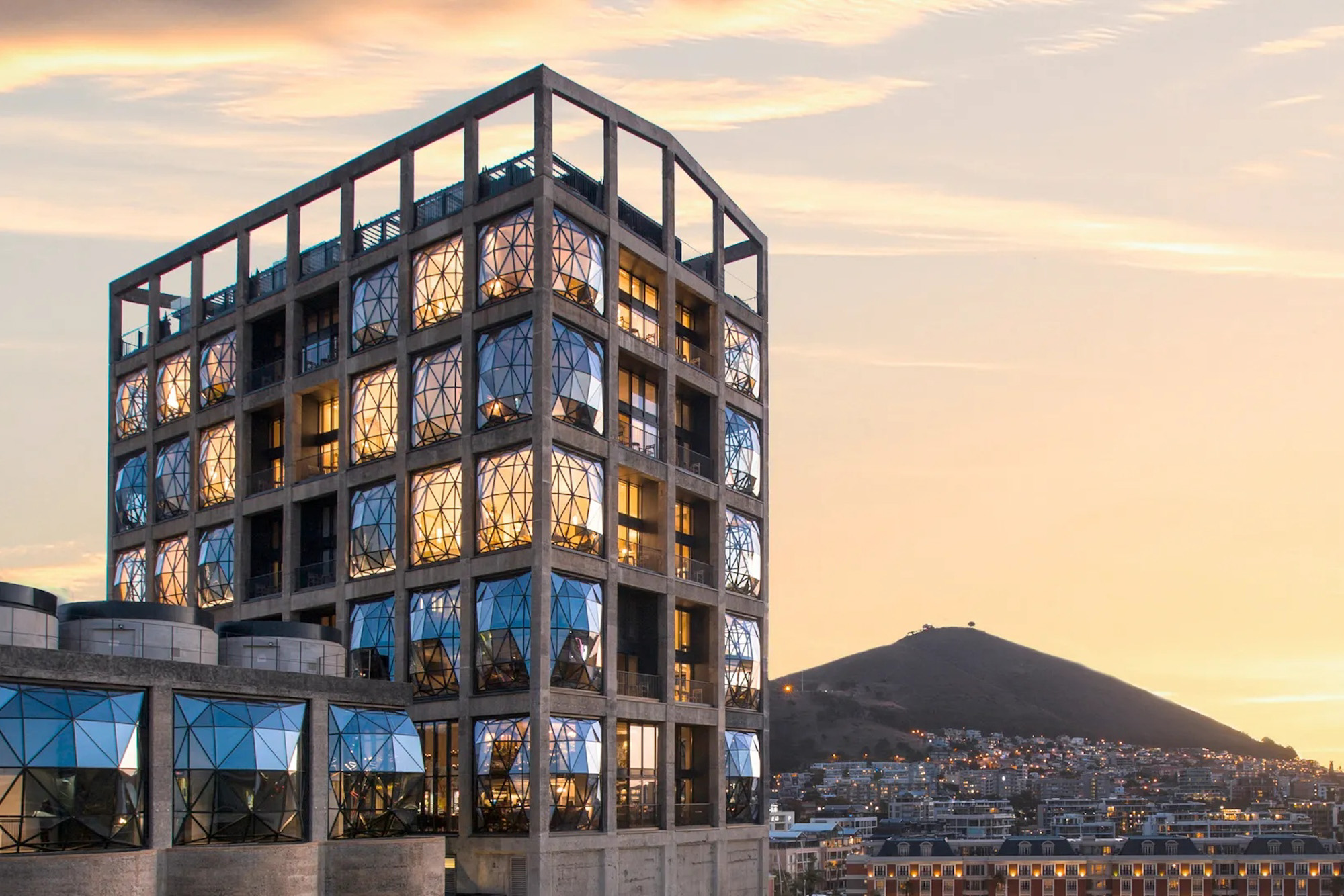
Build at least one proper culture day in the City Bowl. Cape Town rewards slow looking, not frantic box-ticking. If you want contemporary African art, Zeitz MOCAA is a major anchor at the V&A Waterfront’s Silo District.
If you want a calmer museum day with a sculpture garden feel, Norval Foundation sits in Tokai. For something more classical and central, the Iziko South African Museum is in Gardens. Pair one serious museum or exhibition with a long lunch and you’ll come away with more than photos.
Cape Town is good at day trips, but only if you pick them with intent and respect the city’s timing. The peninsula works when you treat it as a full-day loop, not a frantic chase.
The Winelands are best when they’re food-led and paced, not a tasting marathon. If you want history that lands, Robben Island tours depart from the Nelson Mandela Gateway at the V&A Waterfront. It’s half a day that changes how you read the city afterwards.
Choose one anchor per day: a major exhibition, a hike, a neighbourhood to wander, a long lunch, a beach. Then let the rest happen between. Weather and traffic are active participants. If the wind is brutal, do city culture, museums and galleries. If it’s calm and clear, go outside early, then come back down before everyone else has the same idea.
Photography courtesy of Zeitz MOCAA
Share this
Sign up for the latest hotspot news from Southern Africa.
• 50+ curated spots
• Where to stay, eat, shop and play
• Covers Cape Town and the Cape Winelands